

What comes to mind when you think about a healthy sex life?
For many people, the answer is shaped by years of cultural expectations, media, relationships, and messages about what sex is supposed to look like. Maybe you picture spontaneous desire, regular sexual activity, a particular type of physical connection, or both partners reaching orgasm every time.
But here’s something worth considering: What if your sex life doesn’t have to look like anyone else’s?
There is no universal definition of a satisfying sex life. What feels fulfilling for one person or couple might look completely different for someone else. Understanding this can open the door to more authentic experiences, healthier communication, and a better understanding of what pleasure actually means to you.
Where Do Our Expectations About Sex Come From?
Many of us grow up receiving messages about sex without ever having an opportunity to question them. Movies and television often portray intimacy as spontaneous, effortless, and perfectly timed. Social media can create the impression that everyone else has an exciting, fulfilling sex life. Even conversations with friends can unintentionally create expectations about what’s normal.
Over time, these messages can influence how we think about our own experiences.
You might wonder:
Are we having sex often enough?
Should I always feel desire before becoming intimate?
Is something wrong if I don’t orgasm every time?
Should sex always be spontaneous?
Is our relationship healthy if our preferences are different?
Am I supposed to enjoy certain experiences?
These questions are more common than you might think. However, comparing your experiences to an imagined standard can make it harder to recognize what you genuinely enjoy.
There Is No Single Definition of a Healthy Sex Life
A satisfying sex life isn’t measured by a specific number of encounters, a particular activity, or how often someone experiences orgasm. Instead, it can be helpful to think about whether your experiences feel consensual, comfortable, enjoyable, and aligned with your personal needs and values.
For some people, that might include frequent sexual activity. For others, it might involve less frequent intimacy but a strong sense of connection and satisfaction.
Some people prioritize physical pleasure, while others place greater importance on emotional closeness. Many enjoy a combination of both. Your preferences don’t have to match someone else’s to be valid. The important thing is understanding what feels right for you and communicating openly with anyone you’re sharing intimacy with.
Pleasure Is About More Than Orgasm
One of the biggest misconceptions about sex is that orgasm is the ultimate goal. While orgasm can be an enjoyable part of sexual experiences, it doesn’t have to be the measure of whether an experience was successful.
When all the attention is focused on reaching a particular outcome, it can become harder to stay present and enjoy what’s happening. You might start thinking about whether you’re taking too long, whether your partner is satisfied, or whether you’re doing something correctly.
This kind of pressure can make intimacy feel more like a performance than an experience. Instead, try shifting your attention toward the sensations and moments you enjoy.
Consider exploring:
What types of touch feel comfortable and pleasurable?
What helps you relax and feel present?
What makes an experience feel enjoyable beyond its outcome?
Are there ways to explore affection and sensuality without a specific goal?
Giving yourself permission to enjoy the experience can help create a healthier relationship with pleasure.
Get Curious About Your Own Preferences
Understanding what you enjoy is an important part of developing a satisfying relationship with your sexuality. However, many people have never spent much time thinking about their preferences beyond what they’ve experienced in past relationships.
You might know what you don’t like, but have trouble explaining what you do enjoy. Or perhaps your preferences have changed over time, and you’re still figuring out what feels right. Self-exploration can help you become more comfortable identifying your boundaries, interests, and desires.
Start by asking yourself:
What makes me feel comfortable and confident?
What types of affection do I enjoy?
Are there experiences I’m curious about?
What makes it difficult for me to relax?
Have my preferences changed over the years?
Are there expectations I’ve adopted without questioning?
You don’t need to have immediate answers. Simply recognizing your reactions and allowing yourself to be curious can be a meaningful starting point.
Let Go of the Pressure to Be on the Same Page All the Time
For couples, one of the biggest challenges can be navigating different preferences, interests, or levels of desire. One partner might enjoy more frequent physical intimacy, while the other prefers emotional connection before becoming sexual. You might have different ideas about what feels exciting, comfortable, or fulfilling.
These differences don’t automatically mean you’re incompatible. What matters is how you approach them together. Rather than assuming your partner should want the same things you do, make space for honest conversations. Ask questions, listen without judgment, and respect each other’s boundaries.
You can also explore new ways to connect that don’t require either partner to compromise their comfort. Remember, healthy intimacy isn’t about convincing someone to want what you want. It’s about understanding each other and finding mutually enjoyable ways to connect.
Give Yourself Permission to Keep Learning
Your sexuality isn’t something you have to figure out once and never revisit. Preferences can evolve with age, relationships, experiences, stress, health, and major life changes. Something you enjoyed years ago might not interest you today. You might also discover something new about yourself that you hadn’t previously considered.
This is why curiosity is so valuable.
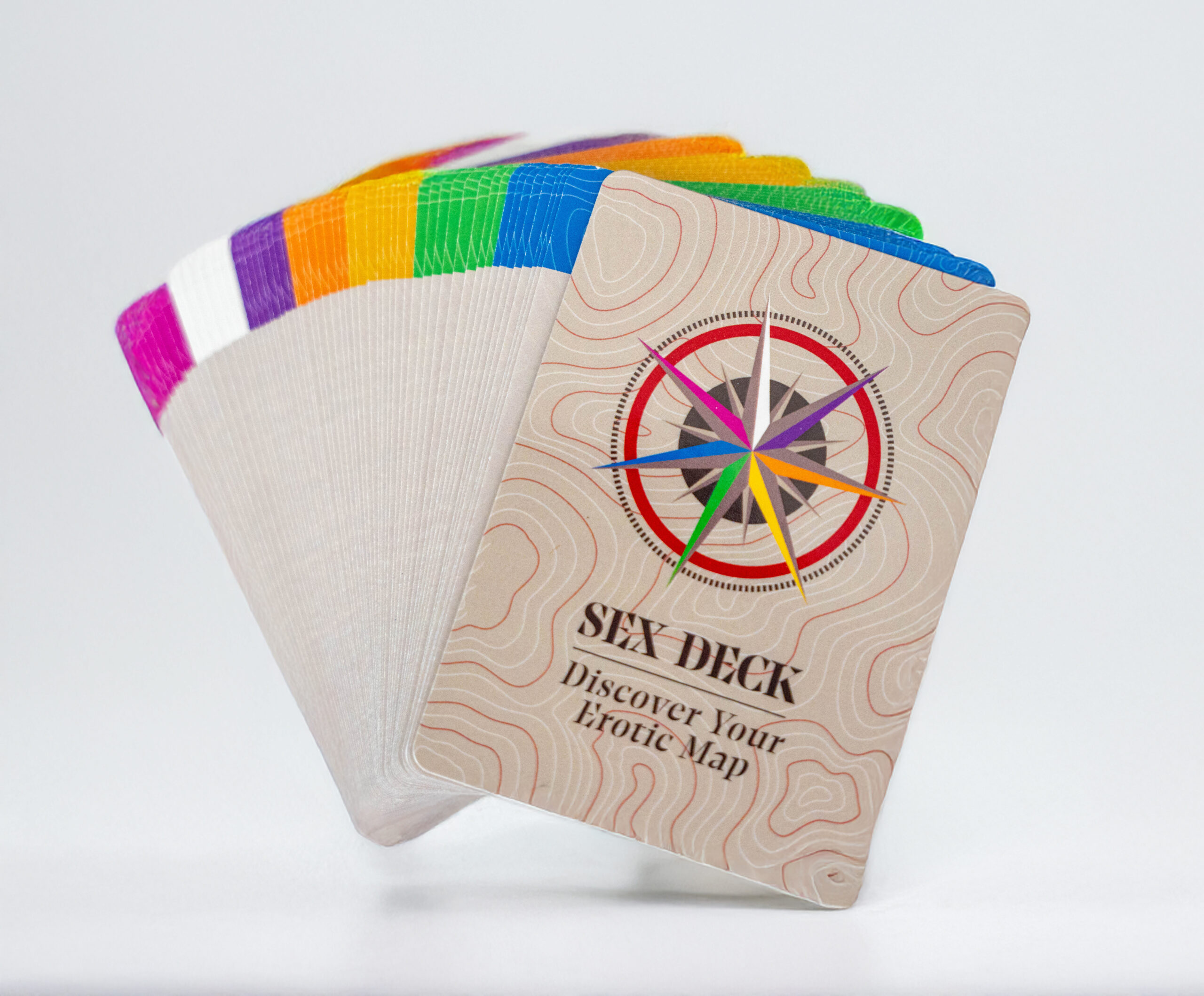
The Sex Deck: Discover Your Erotic Map was created to help individuals and couples explore different aspects of sexuality, pleasure, body awareness, preferences, and intimacy. With 56 cards organized into seven categories, the deck offers questions and prompts that encourage exploration without requiring you to have all the answers.
You can use it on your own to better understand your preferences or with a partner to open conversations about experiences, interests, and boundaries. There are no right or wrong answers. You can skip questions, take your time, and explore only what feels comfortable.
Your Sex Life Doesn’t Need to Follow Someone Else’s Rules
At the end of the day, a fulfilling sex life isn’t about meeting a standard created by someone else. It’s about understanding yourself, communicating with your partner, respecting boundaries, and making room for experiences that feel meaningful to you.
Let go of the pressure to do things a certain way. Stay curious about what you enjoy. And remember that pleasure, connection, and intimacy can look different for everyone.